The examiner may ask you how to do the basic vehicle checks: engine oil, fluids and tyres. You will not need to take anything apart — you will need to explain (and maybe show) how the check is done.
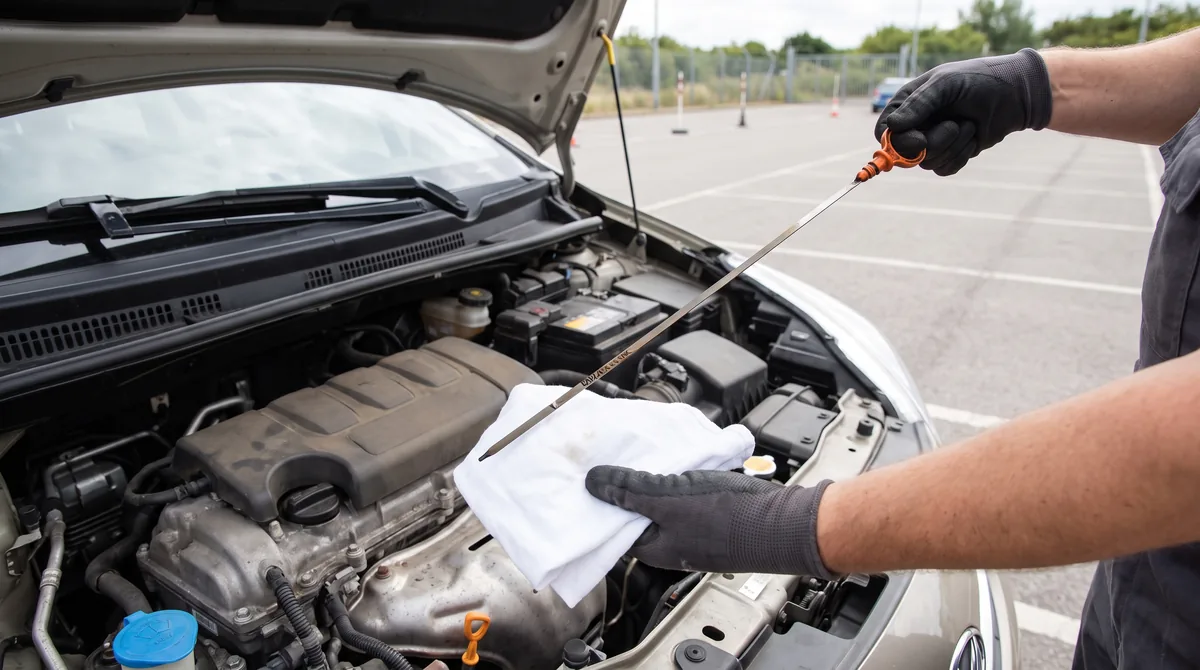
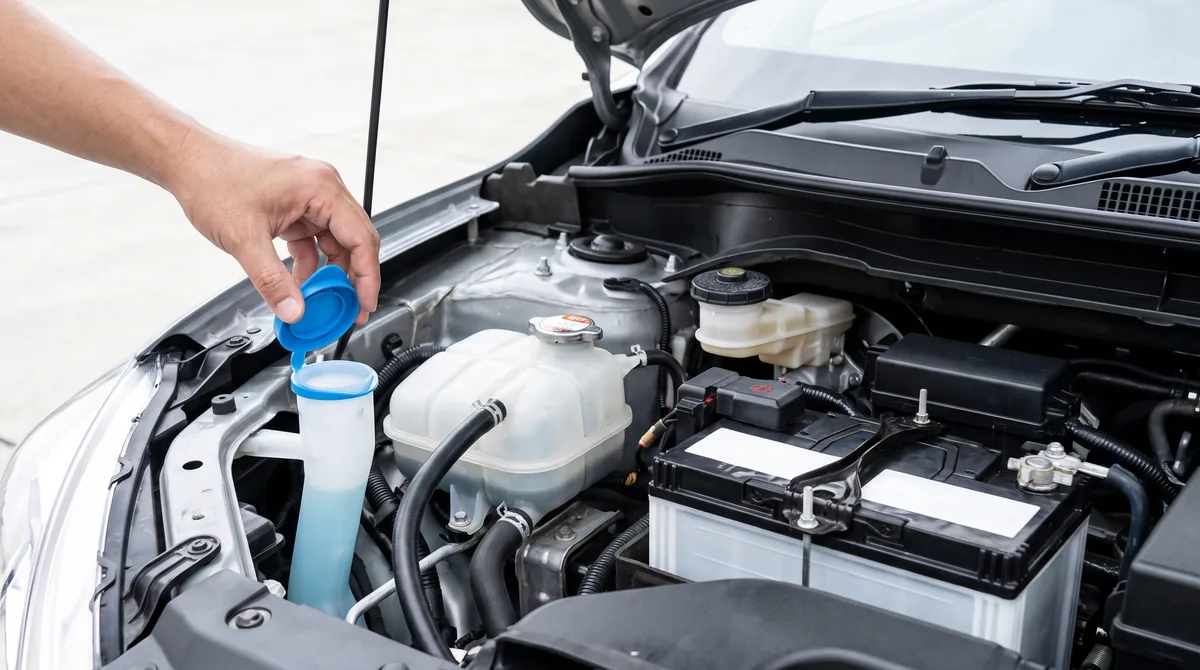
You check the engine oil with the dipstick (astina), with the engine cold, switched off and on level ground. The other fluids to check are: brake fluid, coolant and windscreen washer fluid.
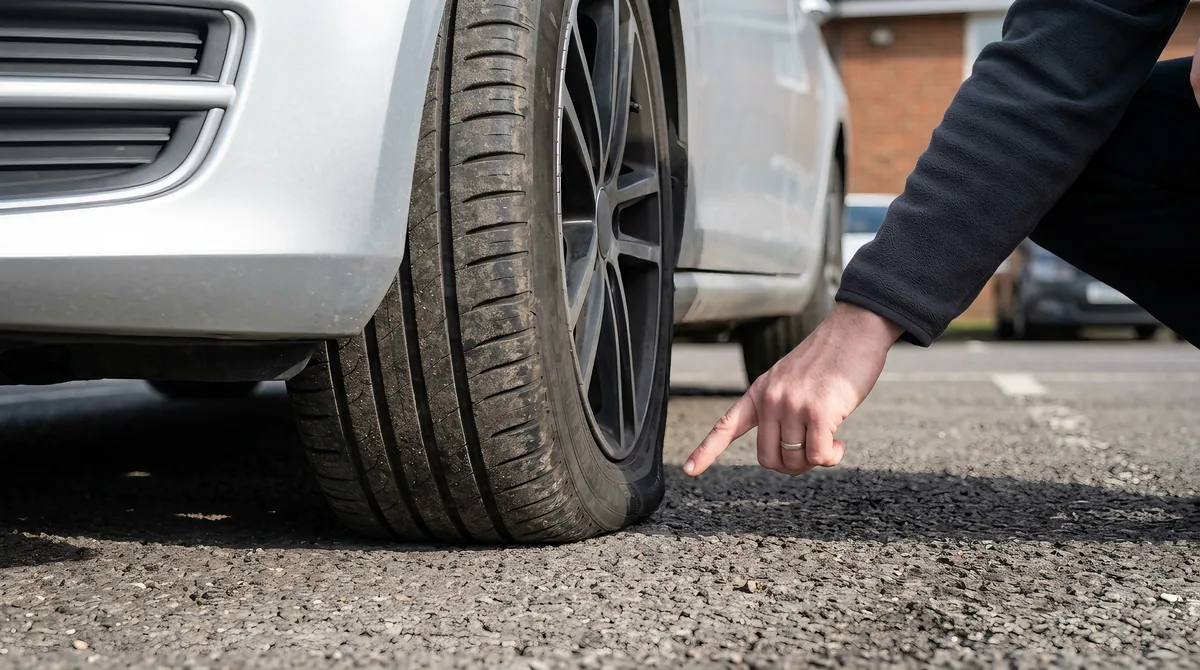
For the tyres (pneumatici) there are four checks: tread depth (battistrada), a visual check of the pressure, checking that the sizes match the registration document (carta di circolazione), and where to find the recommended pressure.
Questions the examiner may ask
0 / 8Try to answer in your head, then tap the question to reveal the answer.
With the dipstick (astina), with the engine switched off, on level ground and preferably cold.
Engine oil, brake fluid, coolant and windscreen washer fluid.
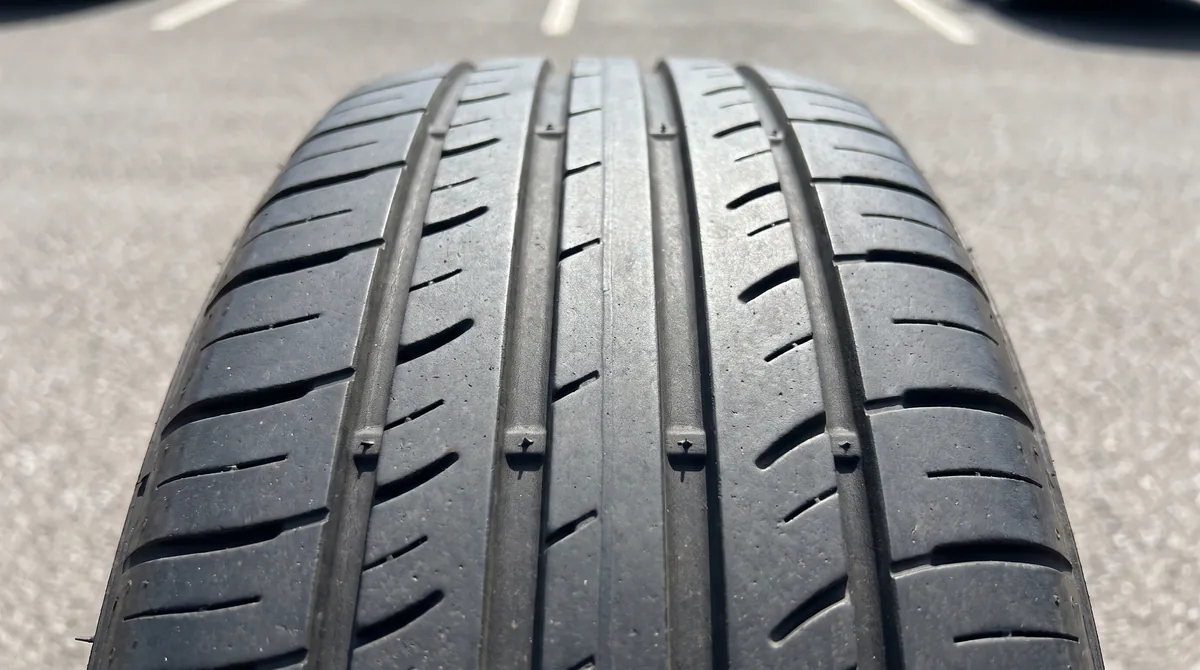
It is the part of the tyre that touches the road, with the grooves (scolpiture). It gives grip when braking and cornering, and clears water away to avoid aquaplaning. That is why it must not go below 1,6 mm.
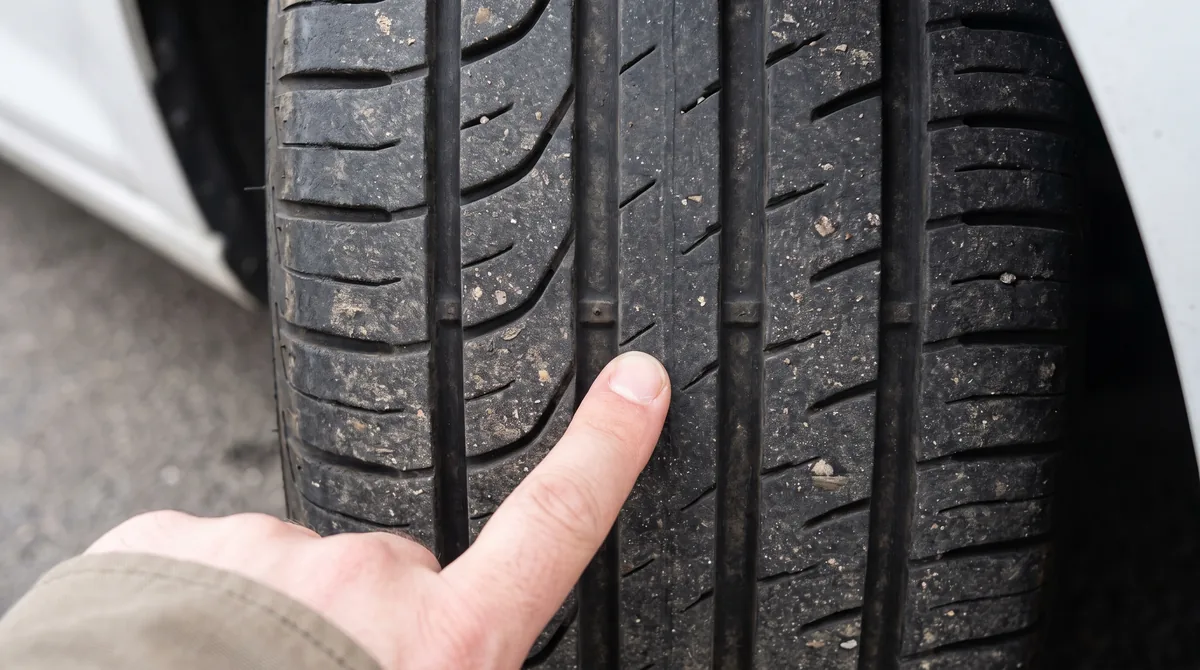
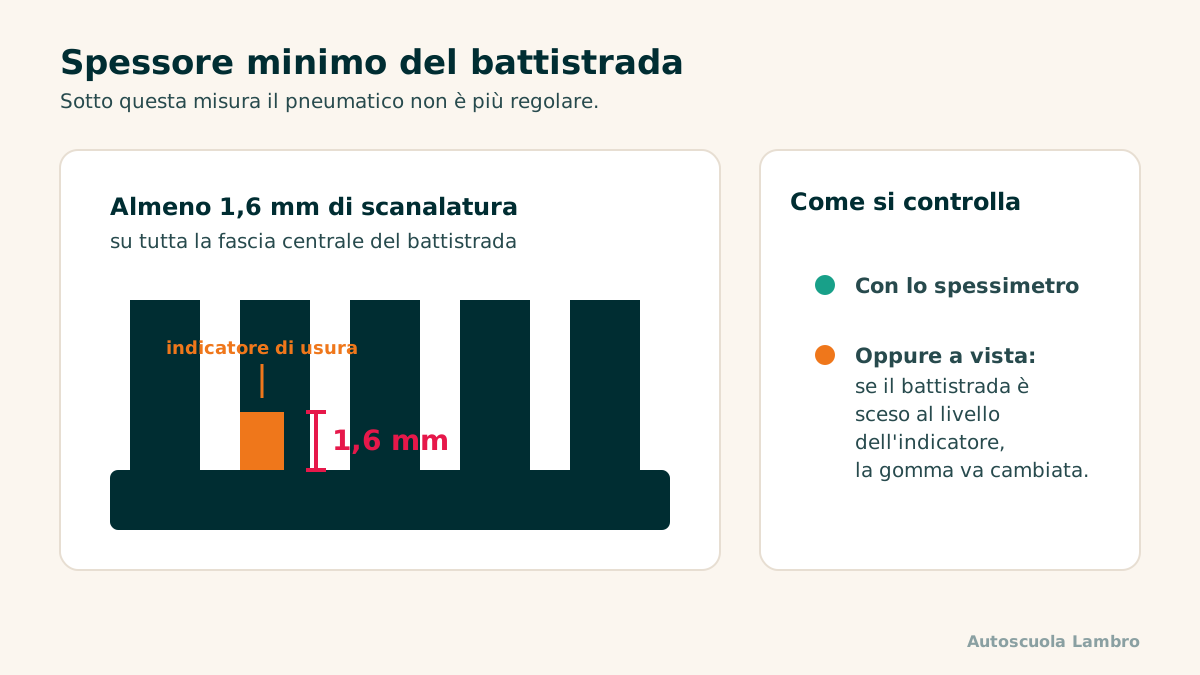
If the tread (battistrada) is higher than the wear indicator, the tyre is OK.
By looking at the tyre: if it does not look clearly flat or out of shape, it is OK.
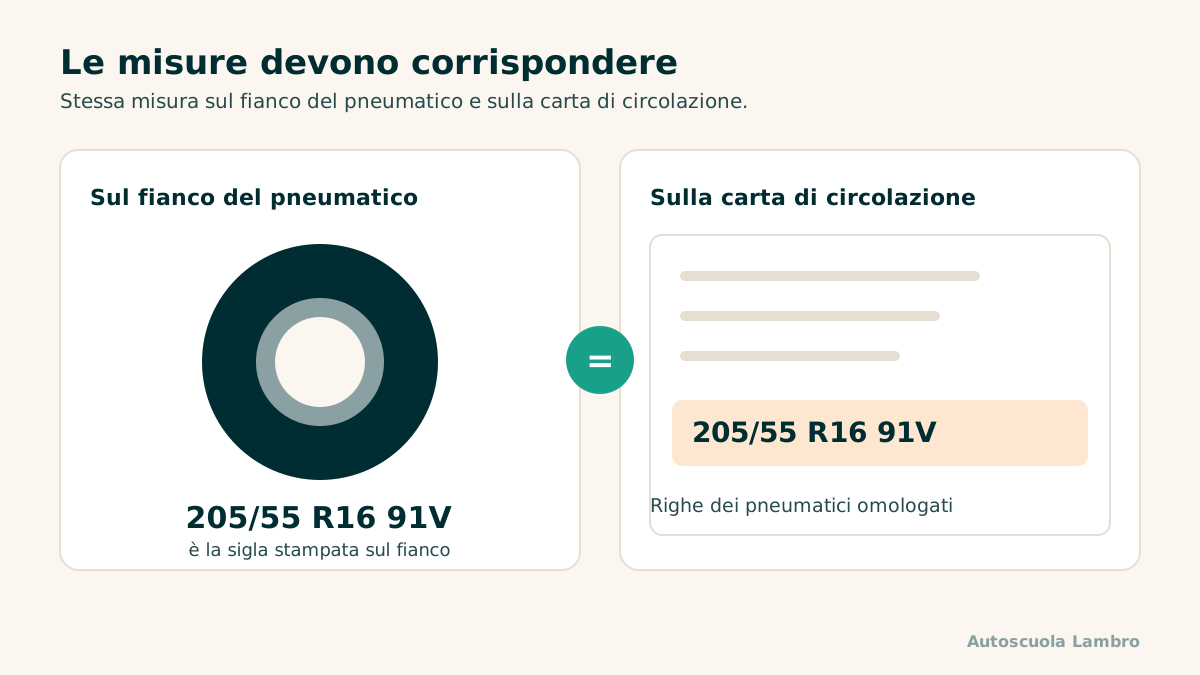
I read the size on the registration document (carta di circolazione) (e.g. 205/55 R16 91V) and compare it with the one printed on the side of the tyre: they must match.
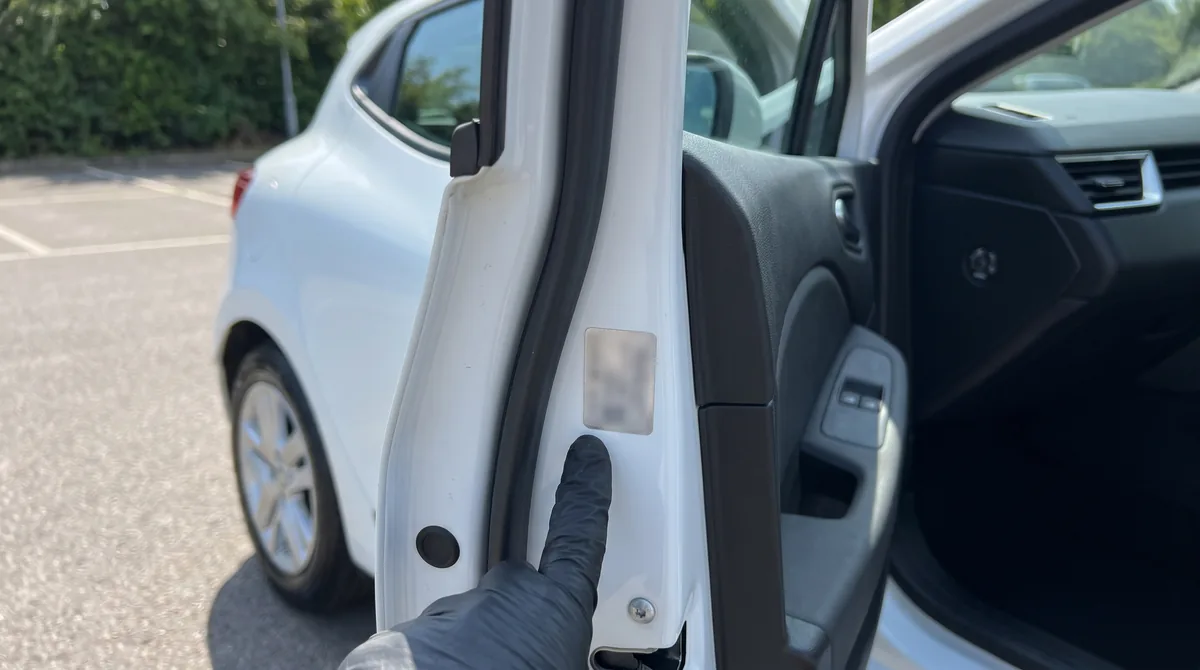
In the owner's manual (libretto di uso e manutenzione) or on the label in the door.
At least 1,6 mm. It is checked with a tread depth gauge (spessimetro) or with the wear indicator in the tread.
Common mistake: saying that the oil is checked with the engine hot or running. The correct answer has three exact conditions: cold, switched off, on level ground. Say all three.
Tip: the number 1,6 mm is one of those short, exact answers the examiner wants to hear without hesitation. If you are asked how it is measured, mention both the tread depth gauge (spessimetro) and the wear indicator built into the tread.