Questions about lights and warning lights (luci e spie) are among the most common of all. The examiner may ask you to point to a light on the vehicle, to say when it must be used, or to explain what the colour of a warning light on the dashboard means.
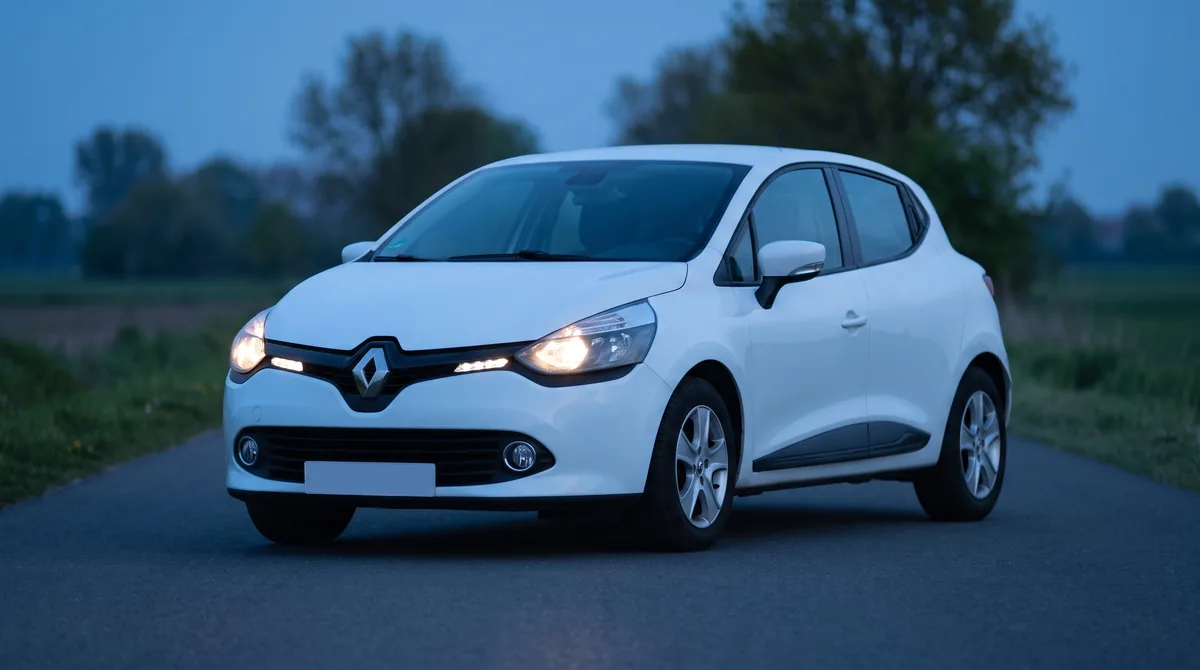
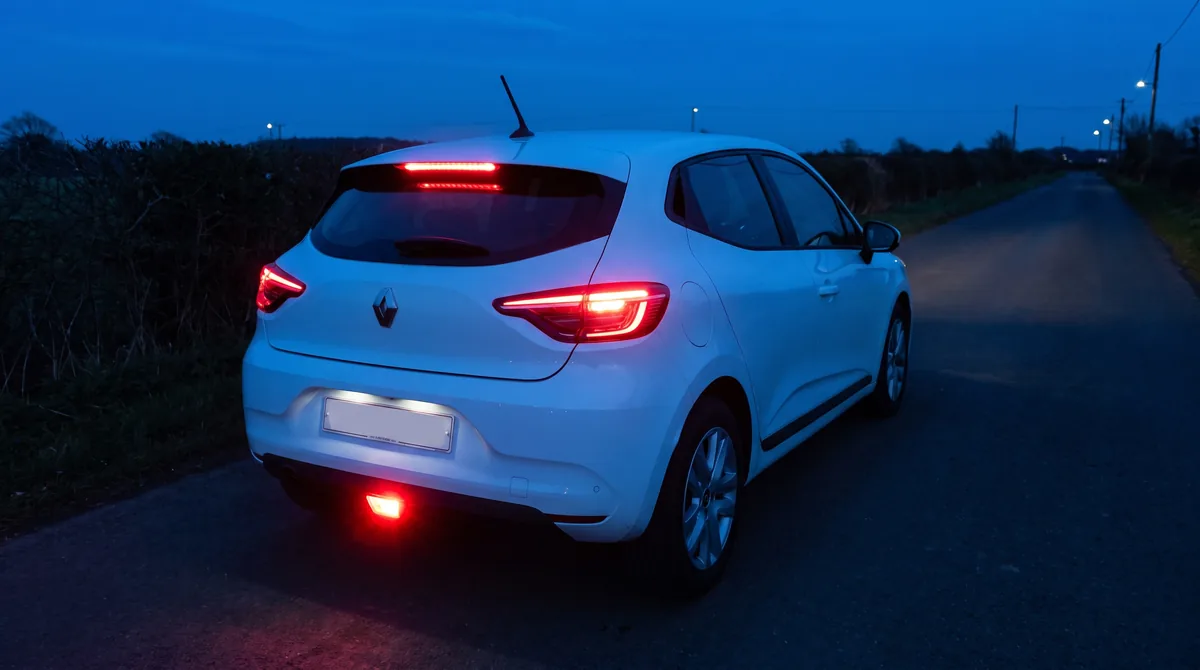
The front lights are: daytime running lights, direction indicators, dipped headlights (anabbaglianti), main beam headlights (abbaglianti) and front fog lights. The rear lights are: position lights, brake lights (stop), reversing lights, rear fog light (retronebbia), direction indicators and number plate light.
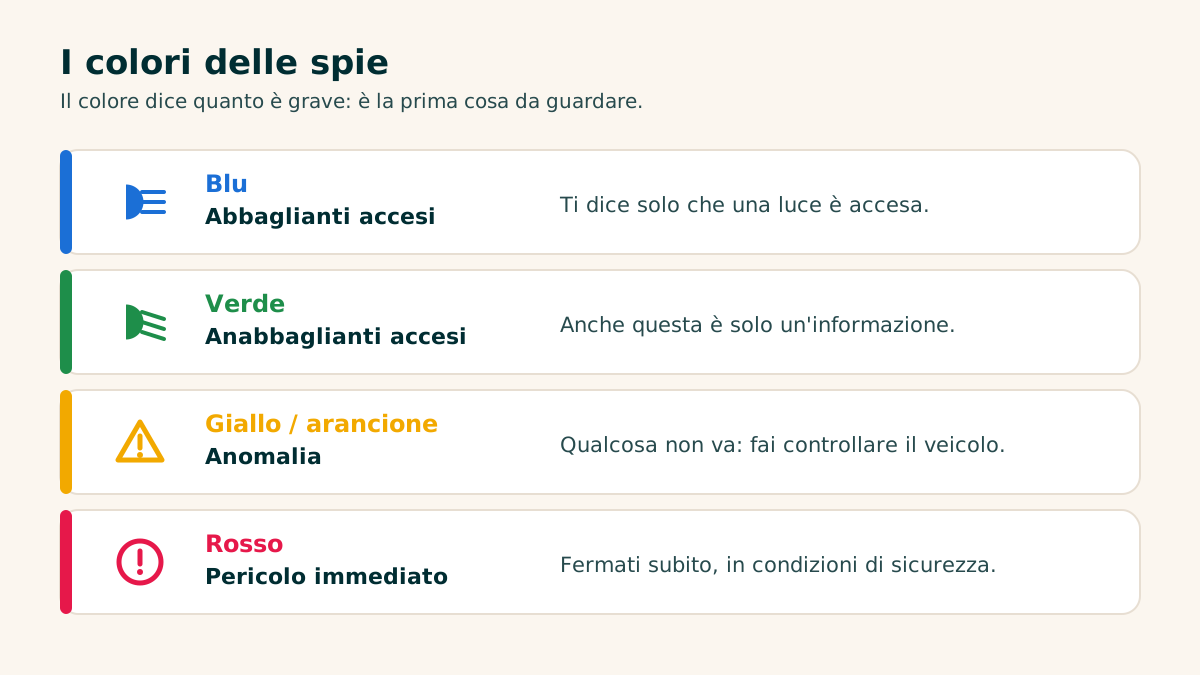
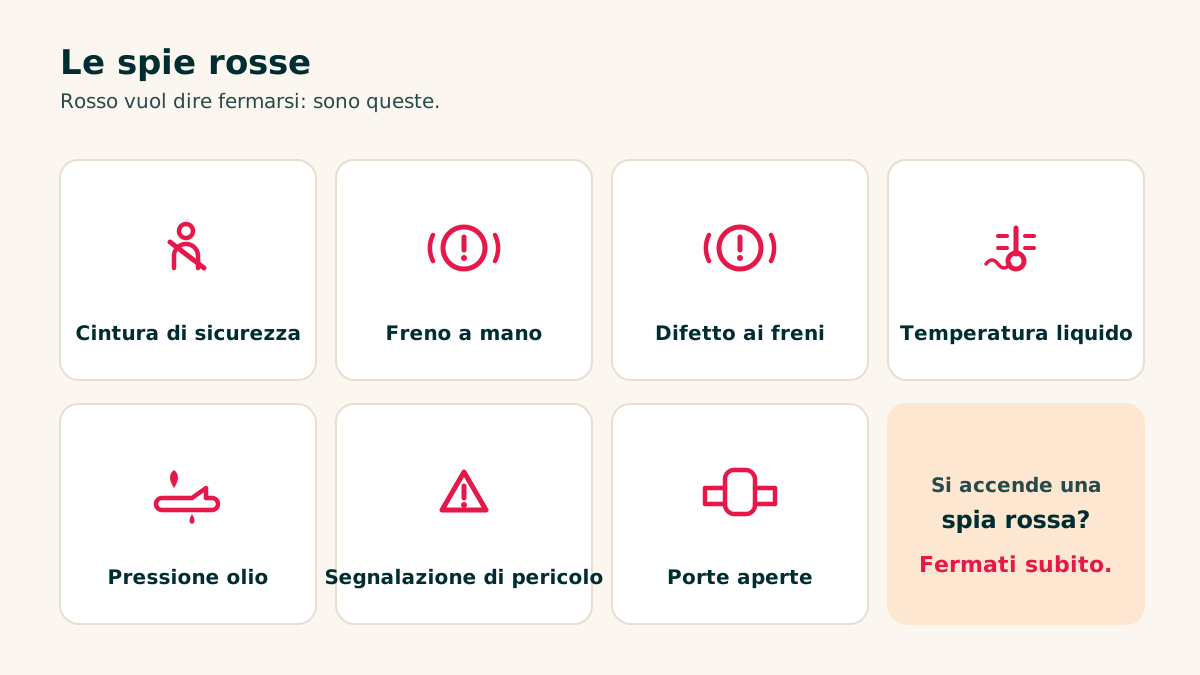
For warning lights there is a simple colour rule to remember: blue = main beam on, green = dipped headlights on, yellow/orange = a fault to check, red = immediate danger, stop the vehicle at once.
Questions the examiner may ask
0 / 9Try to answer in your head, then tap the question to reveal the answer.
Daytime running lights, direction indicators, dipped headlights (anabbaglianti), main beam headlights (abbaglianti) and front fog lights.
Position lights, brake lights (stop), reversing lights, rear fog light, direction indicators and number plate light.
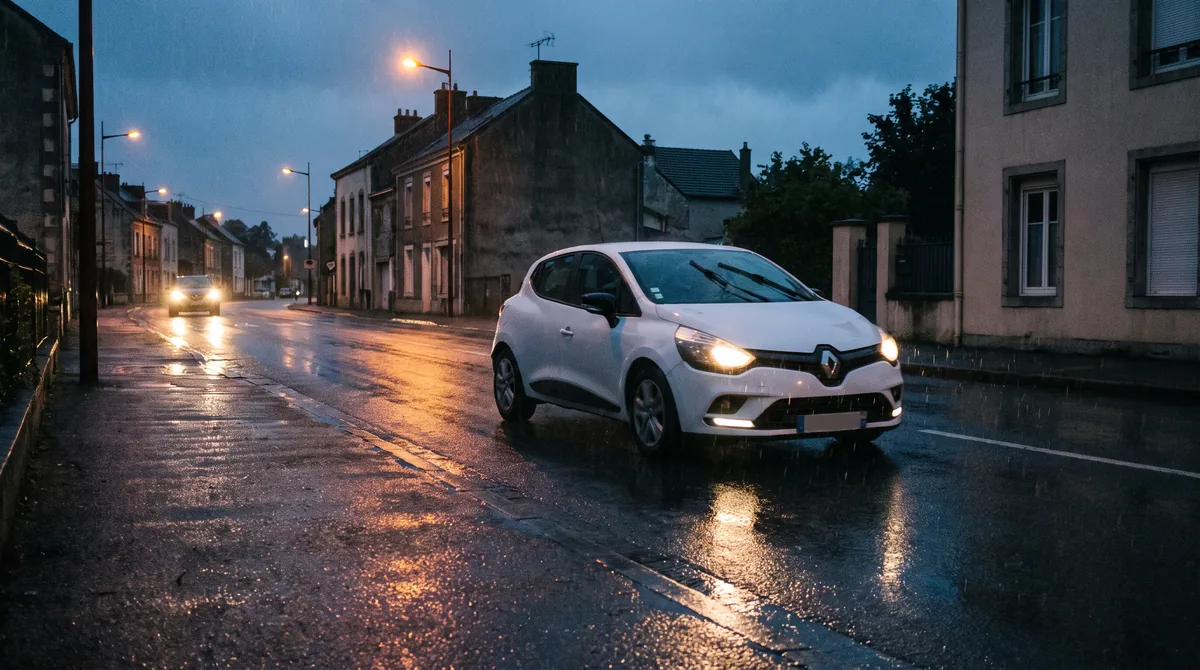
Dipped headlights must be used at night (from half an hour after sunset to half an hour before sunrise) and always during the day on motorways and extra-urban roads. During the day in town they are compulsory only when visibility is poor, for example in a tunnel, or in rain, snow or fog.
Main beam is used only outside built-up areas when driving at night, when there is no street lighting or it is not enough. You must switch it off (changing to dipped headlights) so you do not dazzle other drivers: when you meet vehicles or pedestrians coming the other way, and when you are following another car closely.
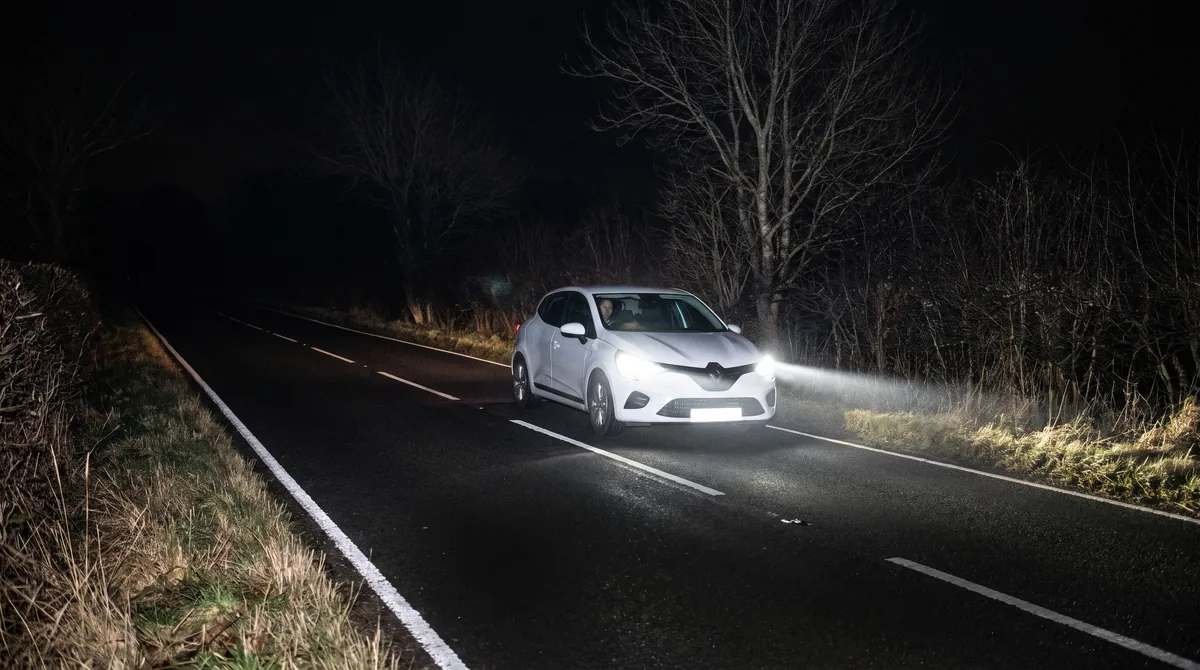
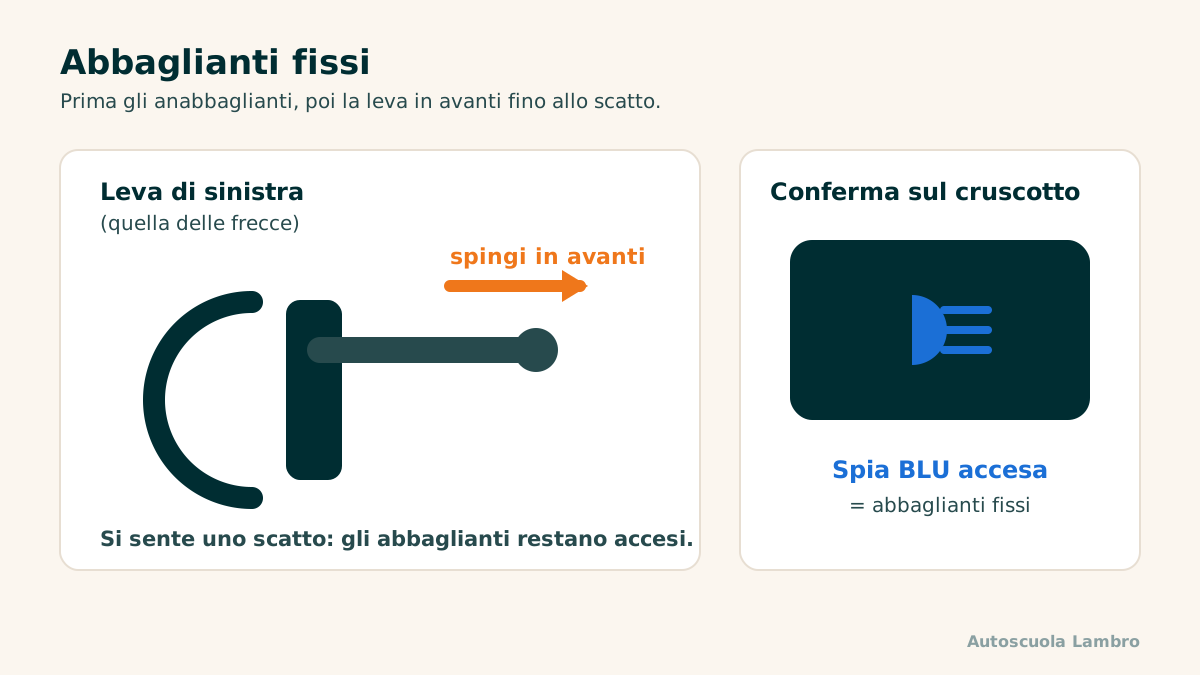
First switch on the dipped headlights, then push the left-hand lever (the one for the direction indicators) towards the windscreen until you hear a click. To confirm it is on, a blue warning light comes on on the instrument panel.
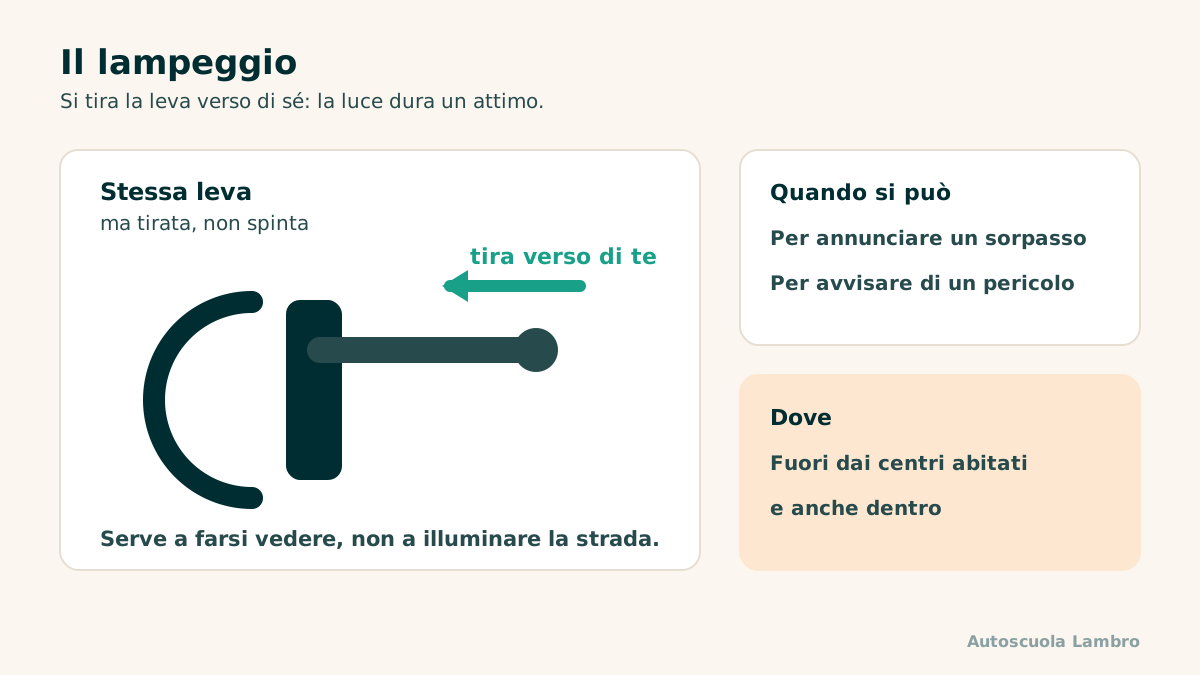
Flashing the main beam is allowed both outside and inside built-up areas, to signal that you intend to overtake and to warn other road users of a possible danger.
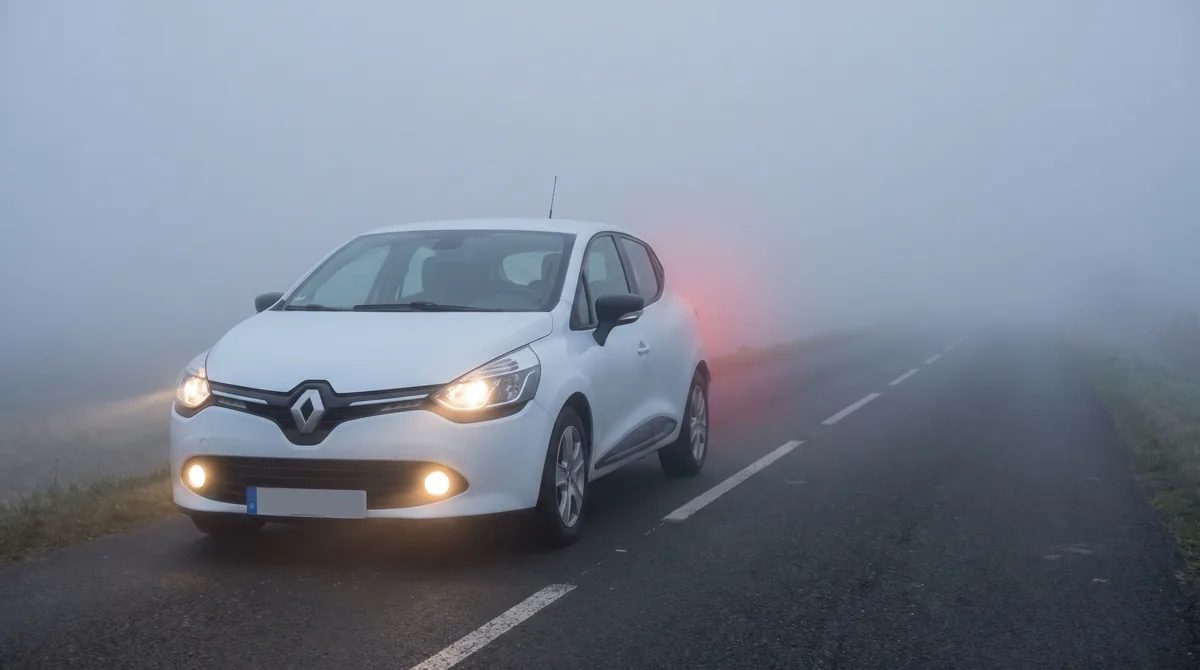
Front fog lights in fog, snow or heavy rain. Rear fog lights only when visibility is very poor, so you do not dazzle the driver behind.
Blue: main beam. Green: dipped headlights. Yellow/orange: a fault, to be checked. Red: immediate danger, stop the vehicle at once.
Seat belt, handbrake (freno a mano), brake system fault, coolant temperature, oil pressure, hazard warning lights and doors open.
Common mistake: confusing front and rear fog lights. Remember: the rear fog light dazzles the driver behind you, so you use it only when visibility is very poor and you switch it off as soon as conditions improve.
Tip: before the exam, sit in the driving school car and find every light control with your hands. The examiner often asks you to show, not just to list: "switch on the dipped headlights" ("mi accenda gli anabbaglianti") is a common request.